
"Poas volcano"
500 article(s) found

Costa Rican Diamond Hill Manor washed SHB Kaddura Fine Coffee American Coffee
Costa Rican coffee cultivation was introduced by Cuba in 1779 and exported for the first time in 1820. There are about 32000 coffee farmers, with an average planting area of less than one hectare (10000 hectares) per farmer. Costa Rica has a population of 41 billion (2006), with a coffee planting area of 82500 hectares and an annual production of 1.7 million bags (60kgs per bag). The annual domestic consumption is 380000 bags.

Costa Rica Herbalife white honey treatment plant Introduction Costa Rica white honey treatment coffee
Professional coffee knowledge exchange More coffee bean information Please pay attention to coffee workshop (Weixin Official Accounts cafe_style) Costa Rica Herbazu White Honey Production area: Central Valley Processing plant: Herbazu Processing plant (Herbazu) Variety: Caturra, Catuai and Villa Sarc

Comparison of coffee flavor among Tarazhu, western valley and central valley in Costa Rica
Professional coffee knowledge exchange more coffee bean information please follow the coffee workshop (Wechat official account cafe_style) A few days ago the editor compared the differences between different producing areas of the same kind of treatment in Kenya, today the editor is going to compare the same Costa Rican coffee, the same is the sun, different producing areas will not be very different? Today's protagonists are from

Costa Rica Tarazu Diamond Villa washing SHB Kaddura
Costa Rica Finca Montanas del Diamante country: Costa Rica Grade: SHB production area: Tara Pearl producer: Tara Pearl Local Farmers: washed varieties: Kaddura, Kaduai Manor: Diamond Hill Manor Flavor: soft orange notes, toast, caramel sweet taste clean Costa Rican coffee plant was introduced from Cuba in 1779

Central Valley producing area in the Central Valley of Costa Rica
Planting height of Central Valley production area in the Central Valley of Costa Rica: 1200-1600 (m) production season: November to March Cup test results: full-bodied beans, rich aroma, coffee characteristics of coffee: coffee in this area is the earliest coffee growing area in Costa Rica, rich in volcanic soil, sometimes with chocolate aroma. Exquisite sun and honey that are now quite popular in Costa Rica
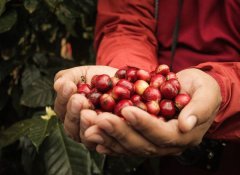
Costa Rica where coffee beans are grown in Central and South America.
Costa Rican coffee cultivation was introduced by Cuba in 1779 and exported for the first time in 1820. There are about 32000 coffee farmers, with an average planting area of less than one hectare (10000 hectares) per farmer. Costa Rica has a population of 41 billion (2006), with a coffee planting area of 82500 hectares and an annual production of 1.7 million bags (60kgs per bag). The annual domestic consumption is 380000 bags.
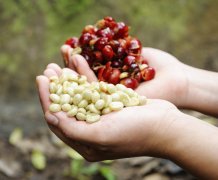
Costa Rica Diamond Hill Estate washed coffee ripe beans boutique coffee beans
Costa Rican coffee cultivation was introduced from Cuba in 1779 and exported for the first time in 1820. There are about 32,000 coffee farmers in Costa Rica, with an average cultivation area of less than one hectare (10,000 m2) per farmer. Costa Rica has a population of 4.1 million (2006), coffee cultivation area of 82,500 hectares, annual production of 1.7 million bags (60kgs per bag), annual domestic consumption of 380,000 bags, flat

Species cutting of Coffee producing areas in Costa Rica
While there are many advantages to growing coffee at higher elevations, the additional transportation costs must be taken into account, which is likely to make coffee production unprofitable. The coffee industry in Costa Rica has adopted new technologies to increase efficiency, including the use of electric eyes to select beans and identify coffee beans of irregular size. Tarasu is located in the capital, San Jos.

Costa Rica Tarazu Diamond Villa washing SHB Kaddura
Costa Rican coffee plants were imported from Cuba in 1779 and exported for the first time in 1820. There are now about 32000 coffee farmers, with an average of less than 10000 yuan per farmer. Costa Rica has a population of 410 million (2006), an active coffee planting area of 82500 square meters, an annual output of 1.7 million bags (60kgs per bag), and an annual consumption of 38 million bags in China.

Costa Rican Coffee Manor Fire Phoenix Manor introduces Costa Rican coffee producing areas
Tarrazu in Costa Rican coffee is one of the major coffee producing areas in the world. The coffee produced has a light and pure flavor and pleasant aroma. Located in the south of the country's capital, San Jos, Tarasu is one of the most valued coffee growers in the country. La Minita Tarrazu coffee is a famous local product, but the production is limited, about

2016 Costa Rica COE Champion processing Plant introduction Costa Rica Shumawa processing Plant
In 2016, one of the two estates of the Costa Rican champion processing plant Shumawa processing plant (Sumava de Lourdes), the Monte Llano Bonito manor won the 2016 CoE Cup. In 2015, the Costa Rica CoE Cup ranked 13th (Finca Monte Llano Bonito). There are two manors Monte Llano Bonito and Monte Lourdes.

Costa Rica Diamond Hill Manor in Costa Rica washed SHB Kaddura boutique coffee beans
Costa Rican coffee cultivation was introduced by Cuba in 1779 and exported for the first time in 1820. There are about 32000 coffee farmers, with an average planting area of less than one hectare (10000 hectares) per farmer. Costa Rica has a population of 41 billion (2006), with a coffee planting area of 82500 hectares and an annual production of 1.7 million bags (60kgs per bag). The annual domestic consumption is 380000 bags.

Costa Rican Coffee processing Plant Costa Rican Coffee from Tarazu Coffee production area
Costa Rican coffee cultivation was introduced by Cuba in 1779 and exported for the first time in 1820. There are about 32000 coffee farmers, with an average planting area of less than one hectare (10000 hectares) per farmer. Costa Rica has a population of 41 billion (2006), with a coffee planting area of 82500 hectares and an annual production of 1.7 million bags (60kgs per bag). The annual domestic consumption is 380000 bags.

Learn more about one of the most well-organized industries in Costa Rica
Costa Rica means rich coast in Spanish, so Costa Rica is a magical and rich country. The blue of the sea and the green of the forest together paint this beautiful land, 50% of which is covered by primeval forests, known as Switzerland in Central and South America. On the shield of the national emblem of Costa Rica, there is a rising sun rising from the sea, symbolizing the dawn of a new era; Barlois and Ira

The treatment of Costa Rican coffee
Costa Rican coffee is called extra hard beans, and this kind of coffee can grow at an altitude of more than 1500 meters. Altitude has always been a problem for coffee growers. The higher the altitude, the better the coffee beans, not only because the higher altitude can increase the acidity of the coffee beans and thus increase the flavor, but also because the night temperature at the higher altitude is lower, which makes the trees grow slowly, thus making the coffee.

Costa Rica coffee beans Las Lajas estate black honey processing coffee beans how to drink
Professional barista exchanges, please pay attention to coffee workshop (Weixin Official Accounts cafe_style) Costa Rica SHB Las Lajas Estate Black Honey Las Lajas Estate Black Honey is one of the earliest estates to carry out systematic research and treatment, and has been a global buyer for many years.

Costa Rican coffee has always been considered to be the perfect type of classic flavor, balanced and clean.
Professional coffee knowledge exchange more coffee bean information Please follow Coffee Workshop (Wechat official account cafe_style) Costa Rican coffee has always been considered to be the perfect type of classic flavor. Balanced, clean and mild is its tone. It is famous for its well-balanced, clean, clear and berry-flavored fruit. One of the most famous and largest growing areas is Tarazhu.
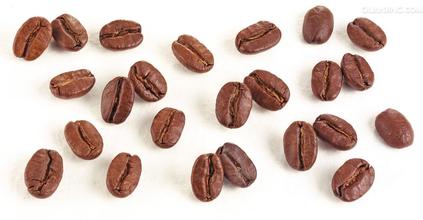
Introduction of Costa Rican Coffee Flavor characteristics
High-quality Costa Rican coffee is called extra hard beans, and this kind of coffee can grow at an altitude of more than 1500 meters. Altitude has always been a problem for coffee growers. The higher the altitude, the better the coffee beans, not only because the higher altitude can increase the acidity of the coffee beans and thus increase the flavor, but also because the night temperature at the higher altitude is lower, which can make the trees grow slowly.

Costa Rican boutique coffee producing area introduces Costa Rican coffee flavor and characteristic Tarazhu coffee
Costa Rican coffee cultivation was introduced by Cuba in 1779 and exported for the first time in 1820. There are about 32000 coffee farmers, with an average planting area of less than one hectare (10000 hectares) per farmer. Costa Rica has a population of 41 billion (2006), with a coffee planting area of 82500 hectares and an annual production of 1.7 million bags (60kgs per bag). The annual domestic consumption is 380000 bags.

The origin of Costa Rican coffee culture
Costa Rican coffee is called extra hard beans, and this kind of coffee can grow at an altitude of more than 1500 meters. Altitude has always been a problem for coffee growers. The higher the altitude, the better the coffee beans, not only because the higher altitude can increase the acidity of the coffee beans and thus increase the flavor, but also because the night temperature at the higher altitude is lower, which makes the trees grow slowly, thus making the coffee.